
Hydraulic Oil Cooler Manufacturer Denmark
Is your hydraulic equipment running hotter than expected? Excessive oil temperature can affect hydraulic fluid performance, increase component wear, and lead to unplanned maintenance. Choosing the right hydraulic oil cooler helps industrial businesses manage heat and maintain reliable equipment operation.
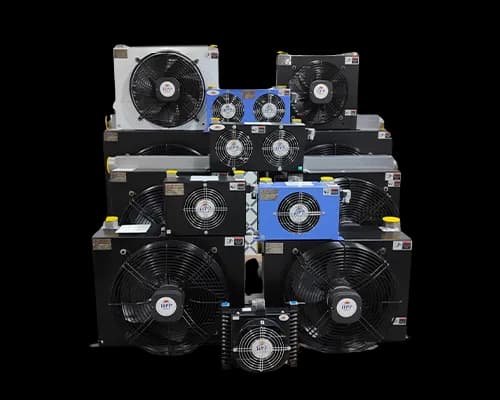
For companies searching for a Hydraulic Oil Cooler Manufacturer Denmark, the right solution should match the machine's cooling requirements, oil flow, operating pressure, ambient temperature, and installation space. Whether you operate manufacturing machinery, hydraulic power units, or mobile equipment, selecting a suitable cooler can help improve thermal management and support consistent performance.
Hydraulic and Pneumatic Products (HPP) is a contact point for businesses exploring hydraulic and pneumatic product solutions. Contact HPP to discuss your application and confirm available oil cooler options for your requirements.
Looking for a suitable hydraulic oil cooler? Share your equipment specifications to help identify the right product for your application.
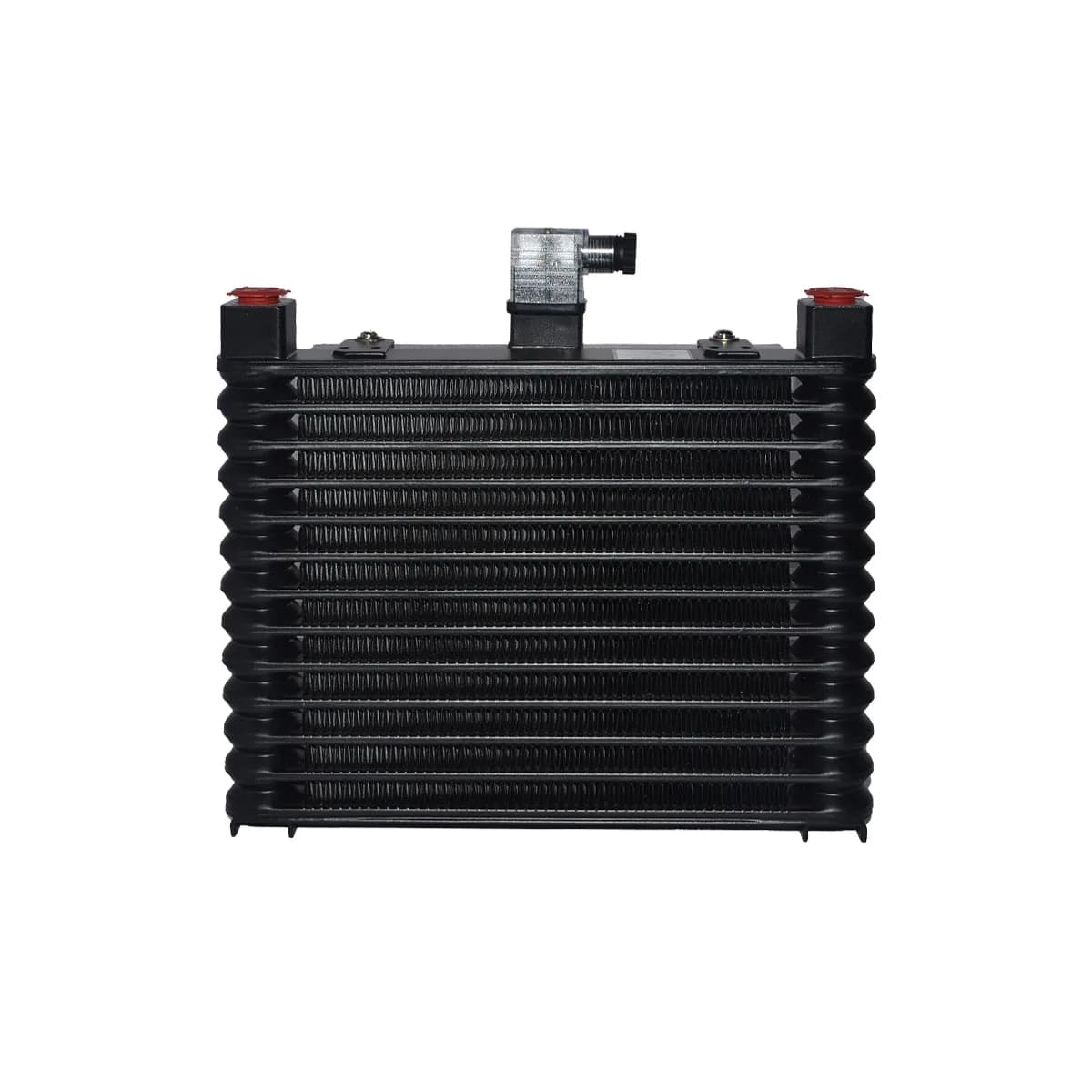
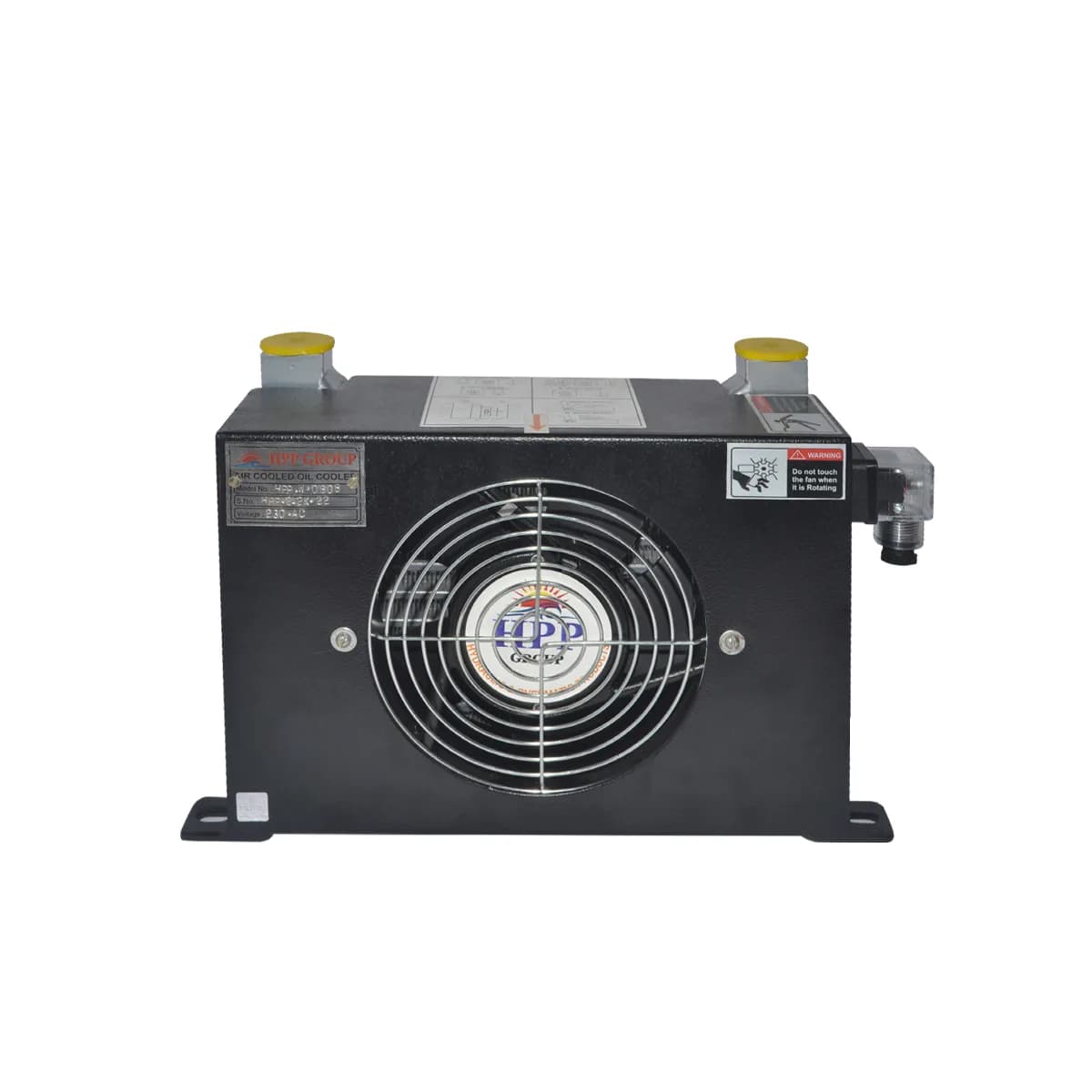
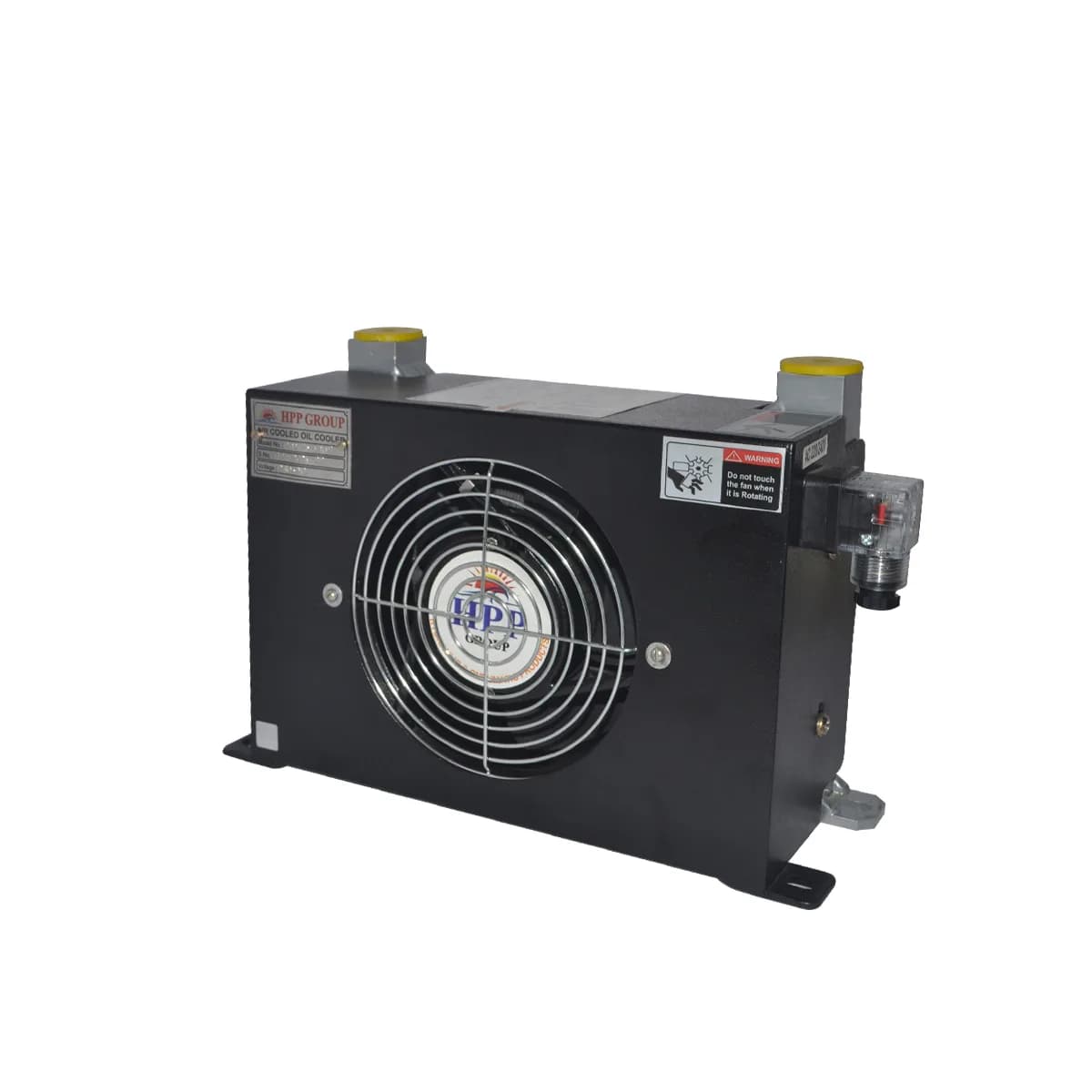
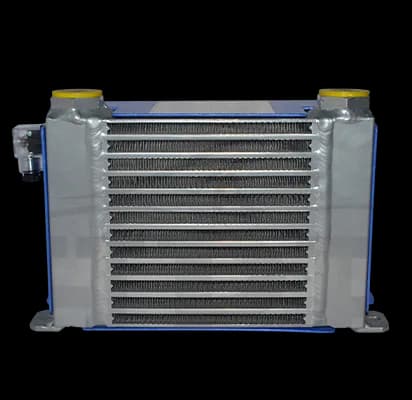
What Is a Hydraulic Oil Cooler?
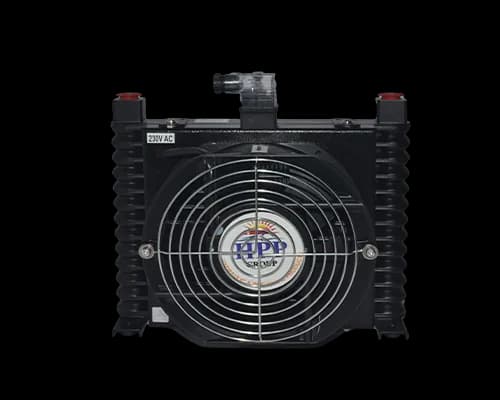
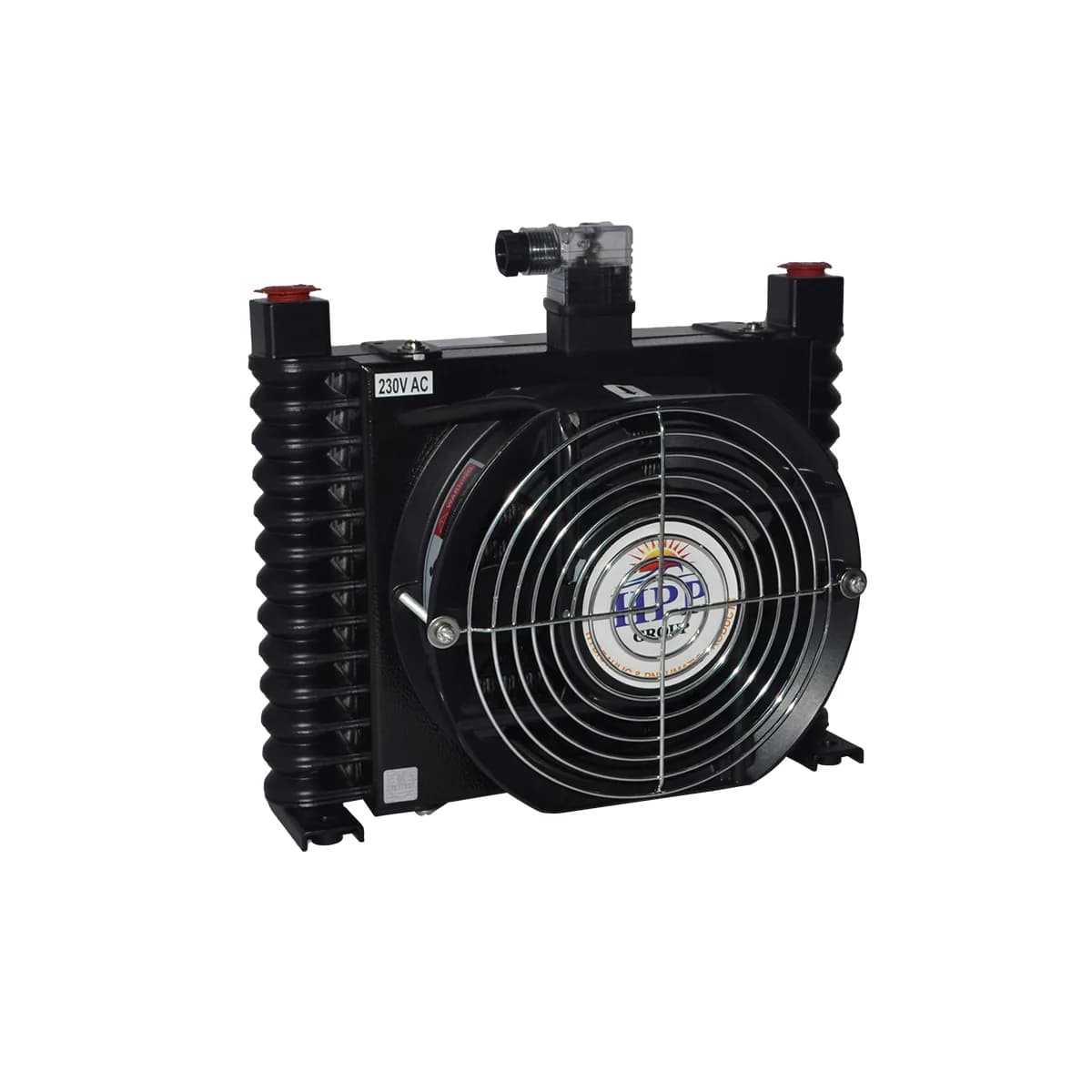
A hydraulic oil cooler is a heat exchanger that removes excess heat from hydraulic fluid before it circulates through the system again. Hydraulic pumps, valves, motors, and cylinders generate heat during operation, particularly under heavy loads or continuous working cycles.
An appropriately sized oil cooler helps maintain the fluid within its recommended operating temperature range. This supports suitable oil viscosity and helps protect seals, pumps, and other hydraulic components from excessive heat.
Two common options are air cooled and water cooled oil coolers.
- Air cooled oil coolers: Transfer heat from the oil to surrounding air, generally using a fan. They can be suitable where a separate cooling water supply is not preferred or available.
- Water cooled oil coolers: Transfer heat to a water-based cooling circuit. They may be suitable for installations with appropriate cooling water infrastructure.
The right option depends on the system's heat load, operating environment, available utilities, and maintenance requirements.
Why Do Industrial Systems Need Hydraulic Oil Cooling?
Excessive heat can reduce hydraulic system efficiency and contribute to premature component wear. For Danish industrial businesses, maintaining appropriate oil temperatures can be particularly important in equipment operating for extended periods or under demanding production conditions.
A properly selected hydraulic oil cooler can help businesses:
- Control oil temperature: Remove excess heat generated during machine operation.
- Protect hydraulic components: Help reduce heat-related stress on seals, pumps, valves, and other compatible components.
- Support consistent performance: Maintain suitable fluid properties within the recommended operating range.
- Reduce overheating-related interruptions: Effective thermal management can help prevent certain heat-related operating problems.
- Manage maintenance requirements: Regular cooler inspection and cleaning can help maintain airflow and heat transfer performance.
Actual results depend on equipment design, operating conditions, cooler sizing, and maintenance. An oil cooler should not be treated as a substitute for diagnosing underlying hydraulic system problems.
Applications of Industrial Hydraulic Oil Coolers
Hydraulic oil coolers are used across several industries, depending on their design, cooling capacity, and fluid compatibility.
Manufacturing and Production Machinery
Production equipment can generate heat during repeated operating cycles. A suitable cooler helps manage oil temperature in compatible hydraulic systems.
Hydraulic Power Units
Hydraulic power units supply pressurized fluid to machinery and can require additional cooling when their heat generation exceeds the system's natural heat dissipation capacity.
Hydraulic Presses
Press applications may require cooling based on operating pressure, cycle frequency, heat load, and production requirements.
Construction and Mobile Equipment
Compatible hydraulic oil coolers can support temperature management in machinery operating under variable loads and environmental conditions.
Industrial Gearboxes and Lubrication Systems
Some oil coolers are designed for compatible lubrication circuits and gearboxes. Fluid type, viscosity, pressure, and cooling requirements must be checked before selection.
How to Choose the Right Hydraulic Oil Cooler
Choosing a cooler based only on its size or price can lead to inadequate cooling or unnecessary operating costs. Evaluate these factors before requesting a quotation.
1. Cooling Capacity
Determine the amount of heat that must be removed during normal and peak operation. Cooler capacity should be based on the actual heat load rather than equipment horsepower alone.
2. Oil Flow Rate and Pressure Drop
Check the required flow rate, maximum working pressure, and allowable pressure drop. These values help establish compatibility with your hydraulic circuit.
3. Operating and Ambient Temperature
Consider the oil inlet temperature, target outlet temperature, and expected ambient temperature. These factors influence how effectively the cooler can transfer heat.
4. Installation Space and Airflow
Confirm the mounting dimensions, connection positions, fan requirements, and clearance for airflow. Restricted airflow can reduce cooling performance.
5. Fluid Compatibility and Maintenance
Verify compatibility with the hydraulic fluid and operating conditions. Consider access for cleaning, inspection, and routine servicing.
For installations in Denmark, also consider the equipment's expected temperature range, indoor or outdoor location, moisture exposure, and seasonal operating conditions.
Why Consider Hydraulic and Pneumatic Products (HPP)?
When sourcing an oil cooler, industrial buyers need clear technical information and confidence that the selected product matches their equipment requirements.
Hydraulic and Pneumatic Products (HPP) provides a contact point for businesses exploring hydraulic and pneumatic products. Before purchasing, confirm the available oil cooler models, cooling capacity, technical specifications, compatibility, warranty terms, and delivery arrangements.
If you are sourcing for a new machine, upgrading an existing hydraulic system, or replacing an older cooler, sharing accurate specifications can help simplify the selection process.
For buyers in Denmark, it is also important to confirm shipping availability, delivery timelines, technical documentation, and support options before placing an order.
Request a Hydraulic Oil Cooler Quote
Need a hydraulic oil cooler for your industrial equipment or hydraulic power unit? Start by identifying your system's heat load, flow rate, operating pressure, and target oil temperature.
Contact Hydraulic and Pneumatic Products (HPP) to discuss your application and confirm which available products may meet your requirements.
For a more useful quotation, provide:
- Equipment type and application
- Oil type and required flow rate
- Operating pressure and pressure-drop limits
- Oil inlet and target outlet temperatures
- Maximum ambient temperature
- Installation dimensions and required quantity
- Delivery location in Denmark
Request a Quote Today to discuss your hydraulic oil cooling requirements with HPP and take the next step toward finding a suitable solution.
Frequently Asked Questions
Compare suppliers based on cooling capacity, technical specifications, fluid compatibility, product documentation, and delivery options. Confirm whether the company manufactures oil coolers or supplies products from other manufacturers.