

Industrial Hydraulic Power Unit Supplier Sweden
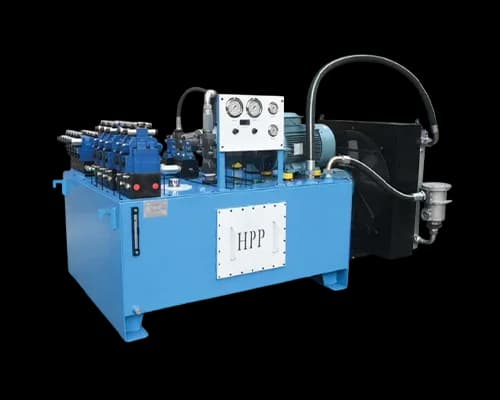
Industrial Hydraulic Power Unit Supplier Sweden
Looking for an industrial hydraulic power unit for your machinery or production facility? Choosing the right hydraulic power unit can help improve machine performance, maintain consistent operating pressure, and reduce unnecessary downtime. For industrial businesses in Sweden, selecting a suitable system means considering equipment requirements, energy consumption, operating conditions, and long-term maintenance.
If you are searching for an Industrial Hydraulic Power Unit Supplier Sweden, Hydraulic and Pneumatic Products (HPP) can be a point of contact for discussing hydraulic product requirements and available solutions. Whether you need a power unit for new machinery, an existing production line, or a replacement project, understanding your technical needs is the first step toward making the right purchasing decision.
Need a hydraulic power unit for your application? Contact HPP to discuss your requirements and confirm available product options.
Features:
- >Easy to Installation
- >Maximum Performance
- >Low Operating Cost
- >Long Lasting
- >Corrosion Resistant
Our Hydraulic Power Pack Range
Explore our range of custom-built hydraulic power packs engineered for specific industrial applications.
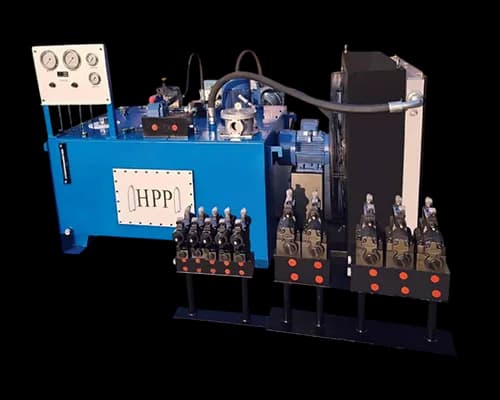
Hydraulic Power Pack for Rolling Mill Industry
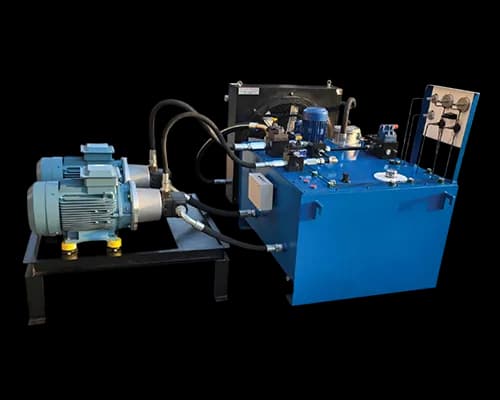
Hydraulic Power Pack for Rolling Mill Industry
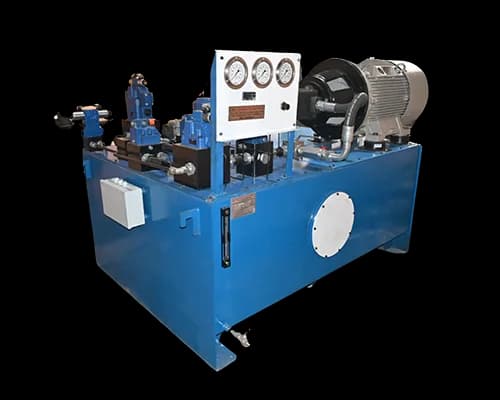
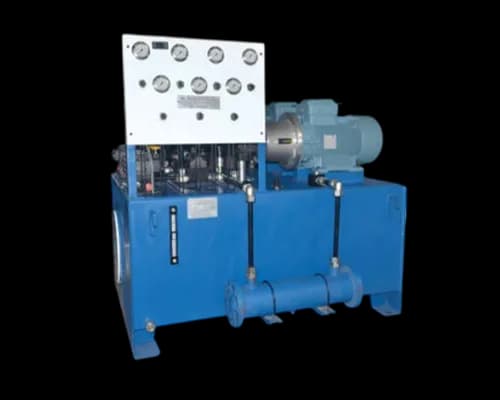
Hydraulic Power Pack for Hydro Testers - Single Tube
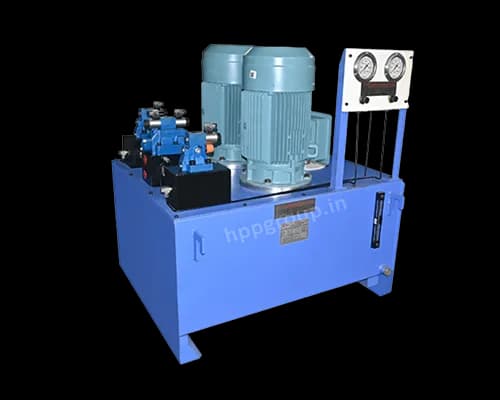
Hydraulic Power Pack for Hydro Testers - Triple Tube
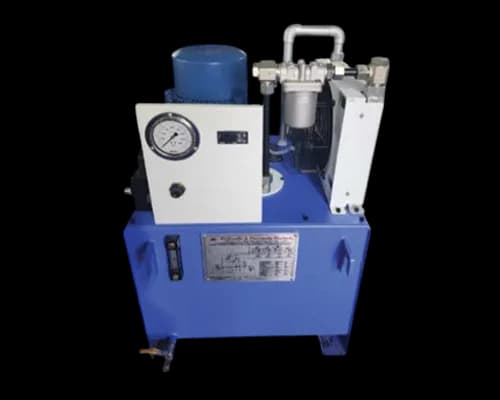
Hydraulic Power Pack for Ingot Cutting Machine
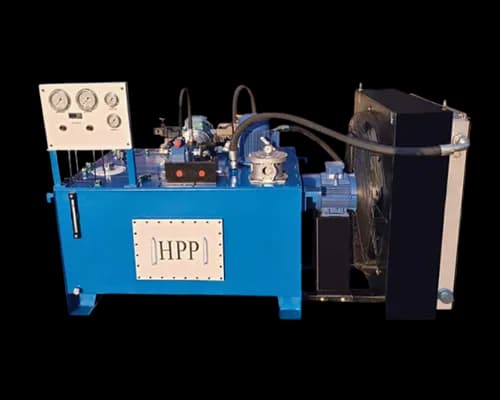
Hydraulic Power Pack for Straightening Machine
Hydraulic Power Pack For Hydro Tester
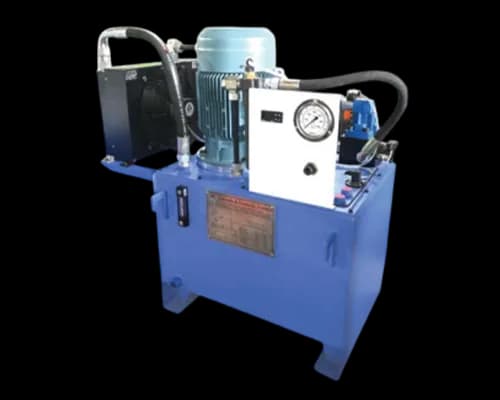
Hydraulic Power Pack for Injection Moulding Machine
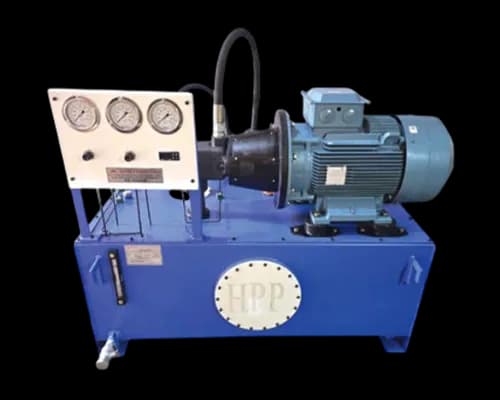
Hydraulic Power Pack for Push Pointer
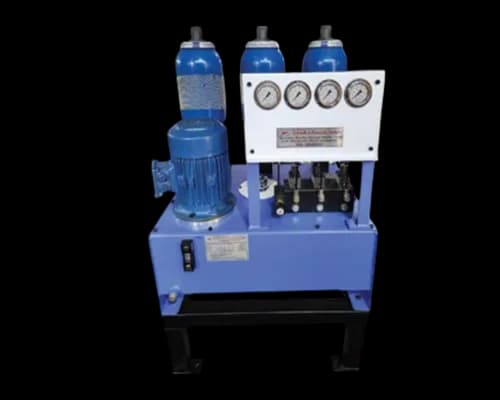
Hydraulic Power Pack for Sugar Mill Industry
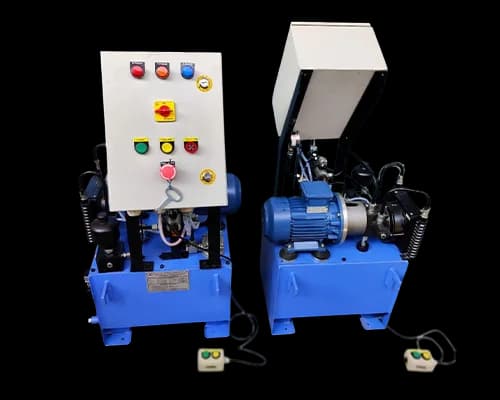
Hydraulic Power Pack for CNC Clamp/De-Clamp
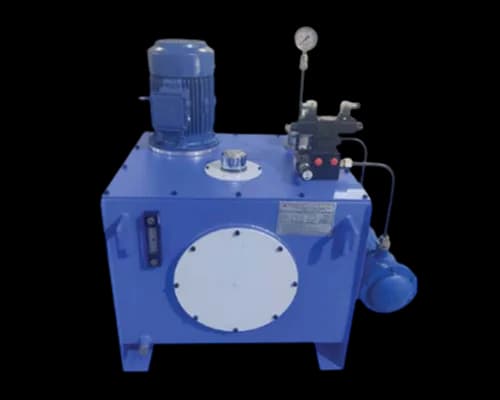
Hydraulic Power Pack for Hydraulic Press
What Is an Industrial Hydraulic Power Unit?
An industrial hydraulic power unit, also known as a hydraulic power pack, supplies pressurized hydraulic fluid to operate machinery and hydraulic components. A typical unit includes an electric motor, hydraulic pump, reservoir, valves, filters, and other components selected according to the system design.
The pump converts mechanical energy into hydraulic flow, while the valves regulate pressure and direct fluid to the required components. The reservoir stores hydraulic fluid and supports the system's operation.
Depending on its configuration, a hydraulic power unit can operate hydraulic cylinders, motors, presses, lifting equipment, and other compatible machinery.
The correct unit must deliver the required flow and pressure without exceeding the operating limits of the connected equipment.
Why Do Swedish Industries Need the Right Hydraulic Power Unit?
Industrial equipment often operates under demanding production schedules. An unsuitable hydraulic power unit may cause slow machine movement, excessive heat, inconsistent pressure, or unnecessary energy consumption.
A properly selected unit can help businesses address these challenges.
- Consistent machine performance: Provides hydraulic flow and pressure suited to the application's requirements.
- Improved operational reliability: Correct component selection helps reduce avoidable system problems.
- Energy-conscious operation: Appropriate motor and pump sizing can help avoid unnecessary energy use.
- Simplified maintenance: Accessible filters, reservoirs, and components can make routine servicing easier.
- Application flexibility: Different configurations can support a range of industrial machinery and operating cycles.
Actual performance depends on system design, component quality, installation, maintenance, and operating conditions.
For facilities in Sweden, it is also important to consider the installation environment. Equipment operating in cold areas or unheated facilities may require appropriate fluid selection, temperature management, and cold-start considerations.
Applications of Industrial Hydraulic Power Units
Hydraulic power units are used across different industrial sectors, depending on their capacity and configuration.
Manufacturing and Production Equipment
Hydraulic power units supply the pressure and flow needed by compatible production machinery, clamping systems, and industrial equipment.
Hydraulic Presses
Press applications require careful consideration of operating pressure, cylinder force, cycle time, and flow requirements.
Material Handling Equipment
Suitable hydraulic power units can support lifting, positioning, and movement systems used in industrial facilities.
Special-Purpose Machinery
Machine builders may require a particular combination of pump capacity, valves, reservoir size, and control components to match a machine's design.
Industrial Maintenance and Replacement Projects
When replacing an existing unit, checking the original specifications can help reduce compatibility issues and unnecessary installation changes.
How to Choose the Right Hydraulic Power Unit
Before contacting a supplier, identify the technical requirements of your machinery.
1. Operating Pressure
Determine the working pressure and maximum pressure required by the hydraulic circuit. The selected components must be rated for the intended operating conditions.
2. Required Flow Rate
Flow rate affects the speed of hydraulic cylinders and motors. An undersized unit may result in slow operation, while excessive flow can increase energy use and heat generation.
3. Motor and Pump Selection
Motor power and pump displacement should match the system's pressure, flow, duty cycle, and efficiency requirements.
4. Reservoir Capacity
Tank capacity depends on system design, fluid requirements, heat management, and the operating cycle. The reservoir should be suitable for the complete hydraulic application.
5. Operating Environment
Consider ambient temperature, available installation space, noise requirements, and exposure to dust or moisture. Cold-weather applications may require additional attention to hydraulic fluid viscosity and startup procedures.
6. Control and Maintenance Requirements
Check whether the application needs directional valves, pressure controls, filtration, monitoring instruments, or specific electrical controls. Consider how easily components can be inspected and serviced.
Providing these details helps a supplier evaluate which available hydraulic power unit may suit your application.
Why Consider Hydraulic and Pneumatic Products (HPP)?
Selecting an industrial hydraulic power unit involves more than comparing prices. Buyers need to understand product specifications, compatibility, delivery arrangements, and the supplier's ability to meet the project's requirements.
Hydraulic and Pneumatic Products (HPP) is a contact point for businesses exploring hydraulic and pneumatic products. When discussing your requirements, share your machine specifications, operating pressure, required flow, motor requirements, and installation conditions.
Before purchasing, confirm the available hydraulic power unit configurations, technical documentation, customization capabilities, warranty terms, delivery timelines, and shipping options to Sweden.
For Swedish industrial buyers, clear technical information can help simplify procurement and reduce the risk of selecting an unsuitable unit.
Request an Industrial Hydraulic Power Unit Quote
Need a hydraulic power unit for industrial machinery, a new equipment installation, or a replacement project? Start by identifying the pressure, flow, motor power, reservoir capacity, and control requirements of your application.
Contact Hydraulic and Pneumatic Products (HPP) to discuss your needs and confirm suitable available options.
To help evaluate your request, provide:
- Equipment type and intended application
- Required operating pressure and flow rate
- Motor power and electrical supply requirements
- Reservoir capacity and hydraulic fluid type
- Operating temperature and installation conditions
- Required quantity and delivery location in Sweden
Request a Quote Today to discuss your industrial hydraulic power unit requirements with HPP and take the next step toward finding a solution suited to your machinery.
Frequently Asked Questions
An industrial hydraulic power unit supplies pressurized fluid to operate hydraulic cylinders, motors, presses, lifting systems, and other compatible industrial machinery.